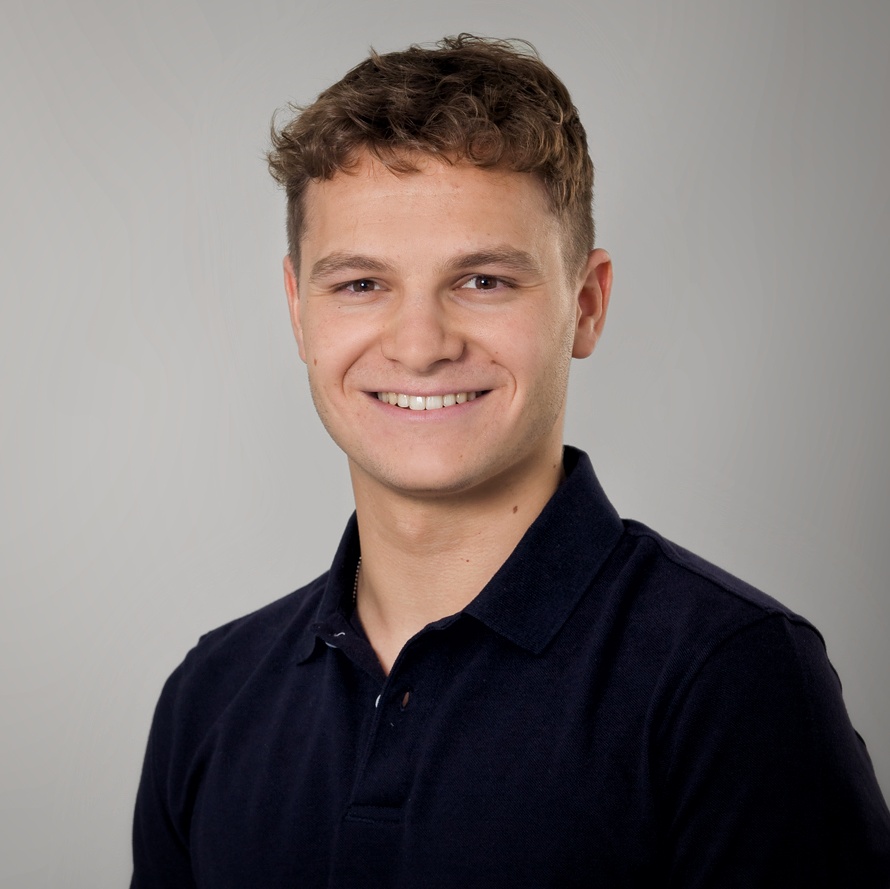
In November 2025, I participated in the Mission Success through Product Assurance Training Course held at ESA Academy’s Training and Learning Facility at ESEC-Galaxia, in Transinne, Belgium. Experts from ESA and the Industry taught us, a group of 30 participants comprised of university students and early-career professionals, how PA is implemented in a space project.
If you are a student interested in the space industry, you might have come across the opportunities offered by the European Space Agency (ESA) through ESA Academy. To provide some insight to fellow interested students, I will write up my experience in this post.
You can always find the current, open opportunities at this ESA Academy webpage. It really is an amazing experience! Apply!
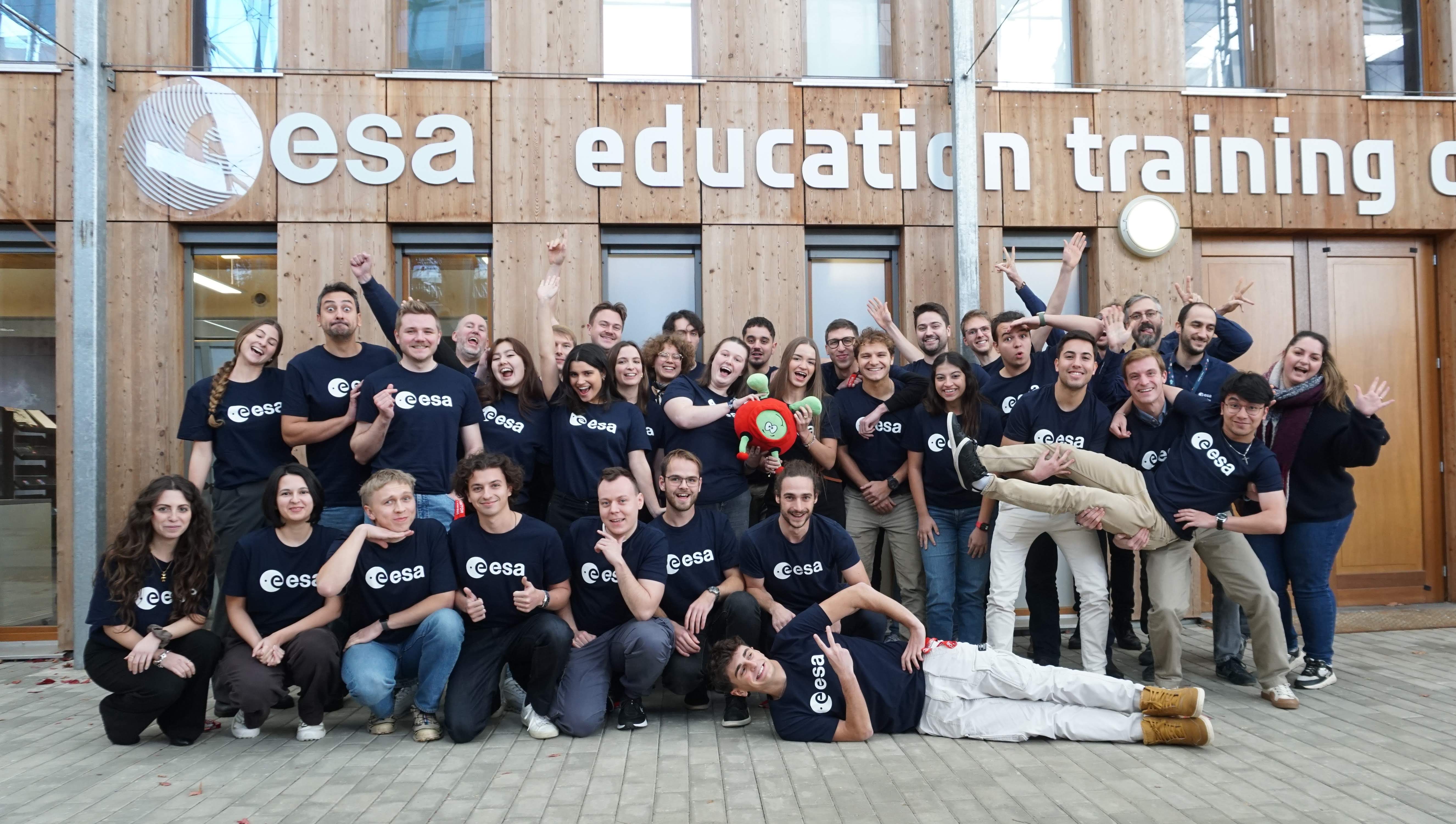
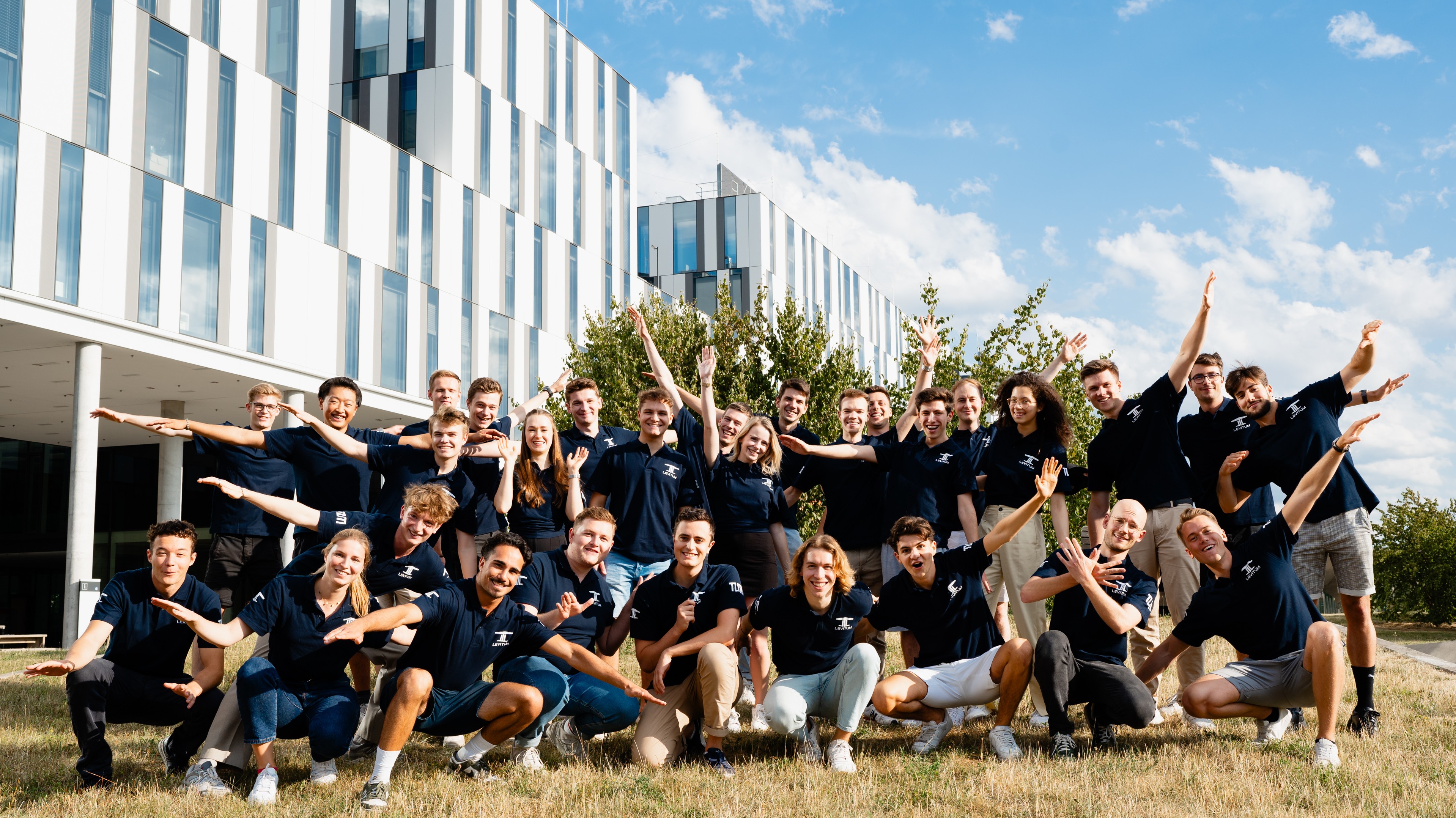
Mission Success through Product Assurance Class of 2025 in front of the Training and Learning Facility at ESEC-Galaxia.
Photo credit: ESA - European Space Agency
Before the Training Week
I was regularly checking the ESA Academy webpage linked above when I saw the opportunity to take the training course on Product Assurance. I have been interested in PA since I had the chance at the ILA Berlin Air Show 2024 to talk with a professional at the ESA pavilion working on this exact topic for the European Service Module (ESM) for the Orion capsule for the Artemis program, scheduled to bring back humans to the Moon.
I got very interested in the topic of Safety and Quality and the broader role of a PA Engineer, also because these kinds of topics are not directly tackled in university.
Preparation
Before leaving for Belgium, I made sure to study and revise the topic a bit. In the context of PA, this means getting comfortable with the ECSS standards relevant for PA, particularly ECSS-Q-ST-10C (Rev 1) and ECSS-Q-ST-20C (Rev 2), on the topics of PA and Quality respectively.
I was very happy I did this because I was able to better comprehend and follow along during the week at ESA, given all the acronyms and insider expressions a PA Engineer must be comfortable with. This is not mandatory, and I think it was pretty common not to study beforehand, but I was glad I did.
Application & Deadlines
For the selection process, you send the usual documents like a CV, motivational letter, transcript of records, recommendation letter, and so on, and then you hope to get selected.
The deadline for applying was the 8th of August 2025, and we were supposed to get a selection notification on the 15th of September. I got the email on the 15th saying that due to the high number of applications received, they postponed the announcement of the selection to the following week, and on the 17th of September, I finally got the confirmation.
For me, one application was enough to be selected, but speaking with the others at the venue, applying two or three times is sometimes normal to finally get selected. So, keep trying and apply for every open opportunity available to you. I remember that when I got the email, I was at the beach in Valencia, not even two weeks into my Erasmus semester. That was a good way to start things there for me.
Organizing the Trip
Students get a maximum of €350 to spend on flights and trains to reach the venue. Doing this early enough makes sure that you stay comfortably within that amount for both ways. If you happen to spend less than that, the difference is not kept by the student.
The stay in the hotel is already organized by the ESA Academy team at the Hotel Le Val de Poix in Poix-Saint-Hubert, as is the bus coming in the morning to bring the students to the ESA facilities and take them back in the evening to the hotel.
During the Training Week
This is it! Make sure to arrive charged up and ready, because it’s going to be a wild, intense week!
A Typical Day
The day starts early with breakfast at the hotel. Depending on the day, between 7:30 and 8:00, students take the bus to the ESA facilities. A couple of sessions fill up the morning, with coffee breaks where students can enjoy a coffee and some snacks and fruit. Around 13:00, lunch is scheduled, which takes place in a room nearby the main lecture hall. The afternoon classes are split by another coffee pause and at around 18:30, students take the bus back to the hotel where, after a short visit to the rooms, dinner is served at 19:30. After dinner, there is time for some chats and a drink or a beer at the hotel.
This packed schedule doesn’t leave time for boredom or free time, but still allows the students to get to know each other and to bond over this common experience. Usually, the lecturers from ESA departments or the industry (Airbus DS in our case) join the lunches and dinners, since they also are accommodated in the same hotel. This really makes it possible to chat with them and have professional and extra-professional conversations. This has been my favorite part. Engaging with them, I was happy to notice how open they were.
Lectures & Topics
The lectures are obviously of very high quality. Some of the topics for our week were:
- Product Assurance (PA) definition and mindset
- R&D activities and technology development
- Model philosophy in project development
- Drafting Non-Conformance (NC) reports
- Materials and processes
- Material models vs. reality
- Materials in the space environment
- EEE components and derating standards
- Radiation Hardening Assurance (RHA)
- Spacecraft model accuracy and dose requirements
- Product Assurance for software
- Safety and dependability
- Risk assessment and hazard control (identification, reduction, and verification)
- Quality, time, and cost management for Prime contractors
- Supply chain management and procurement
- Certification in the space business
Group Project & Presentations
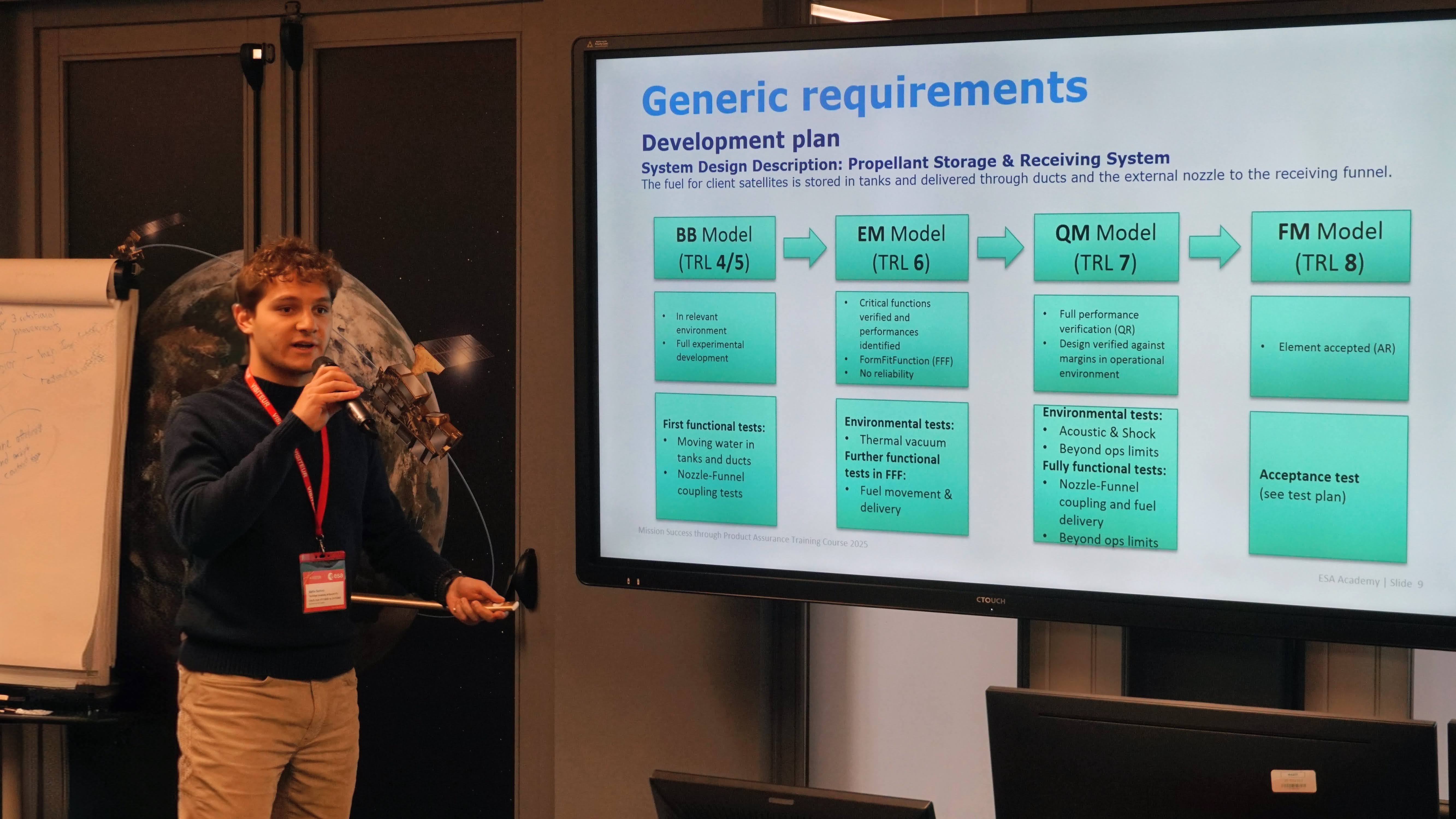
To give us students an opportunity to come up with a deliverable for the week, we were divided into teams of 6 people. The amount of time to work on the project and presentation was small but understandable, since the lectures and lecturers take the main stage. In total, we had 5 hours distributed during the week, and on Friday afternoon, every group gave their presentation. It was fun to be able to present and respond to questions in this environment.
After the Training Week
After enjoying Brussels, it was time for me to return to Valencia and reflect on everything that had happened over the course of the week.
Course Materials
All the material presented and used during the week is made available to the students, and after some time, the pictures taken during the week are also made available — which are perfect for your LinkedIn post! :)
Personal Reflections
This has been an amazingly intense week where I learned a lot. Not only about the topic, but also about the space industry environment, the human aspect, and the group dynamics in an experience of this type.
It is obviously an amazing experience to meet the professionals and maybe even find some thesis or work opportunities. I really recommend staying in touch with them. You will never stop getting valuable information from them even after the course. And they also are genuinely nice and fun people!
I also recommend connecting with the other students, as I was fortunate enough to do. Our group of 30 really was amazing, with people already doing crazy stuff. Make sure to keep in touch with them! They, we, and you are the space engineers of the future!
Gallery
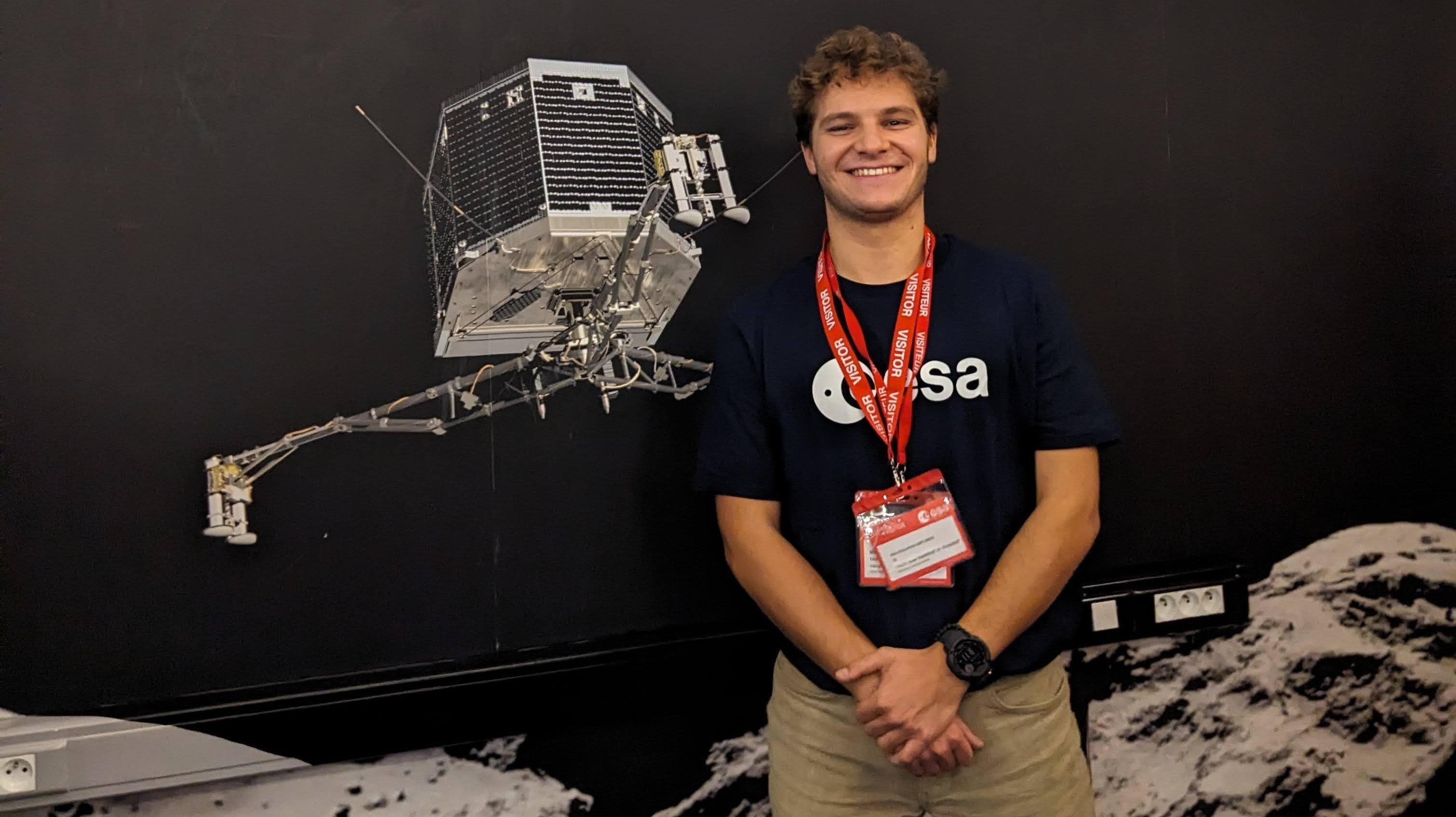
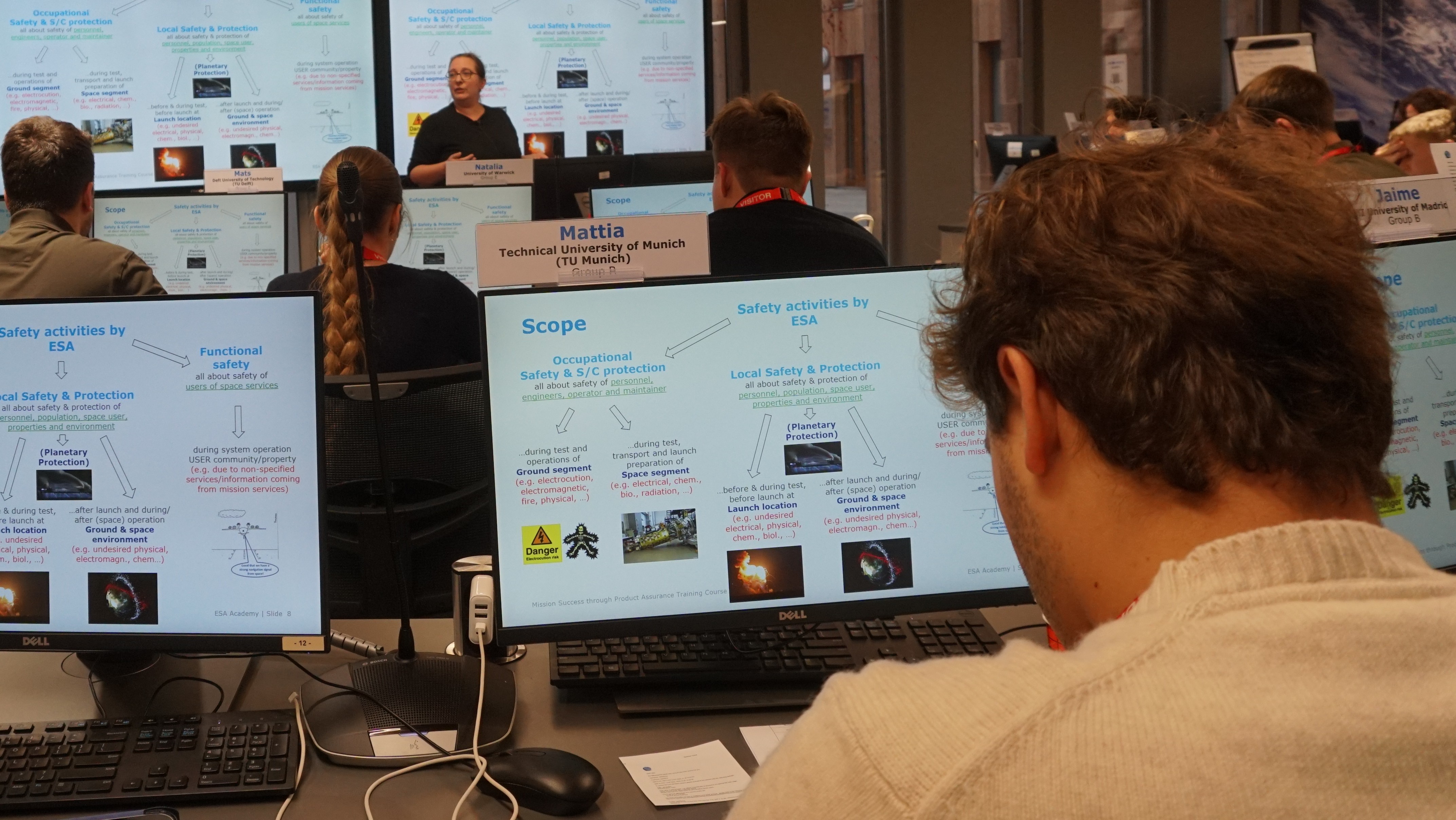
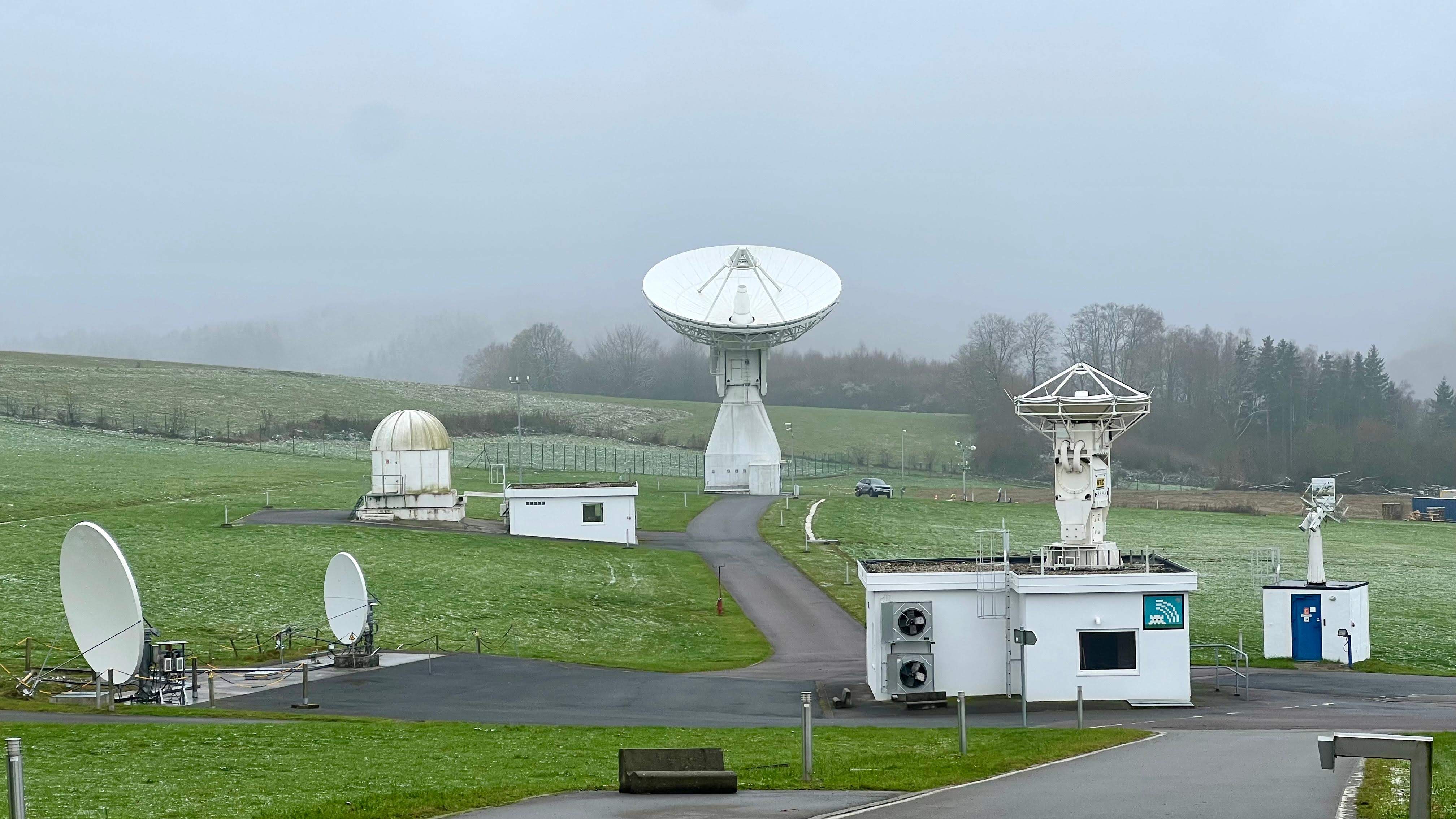
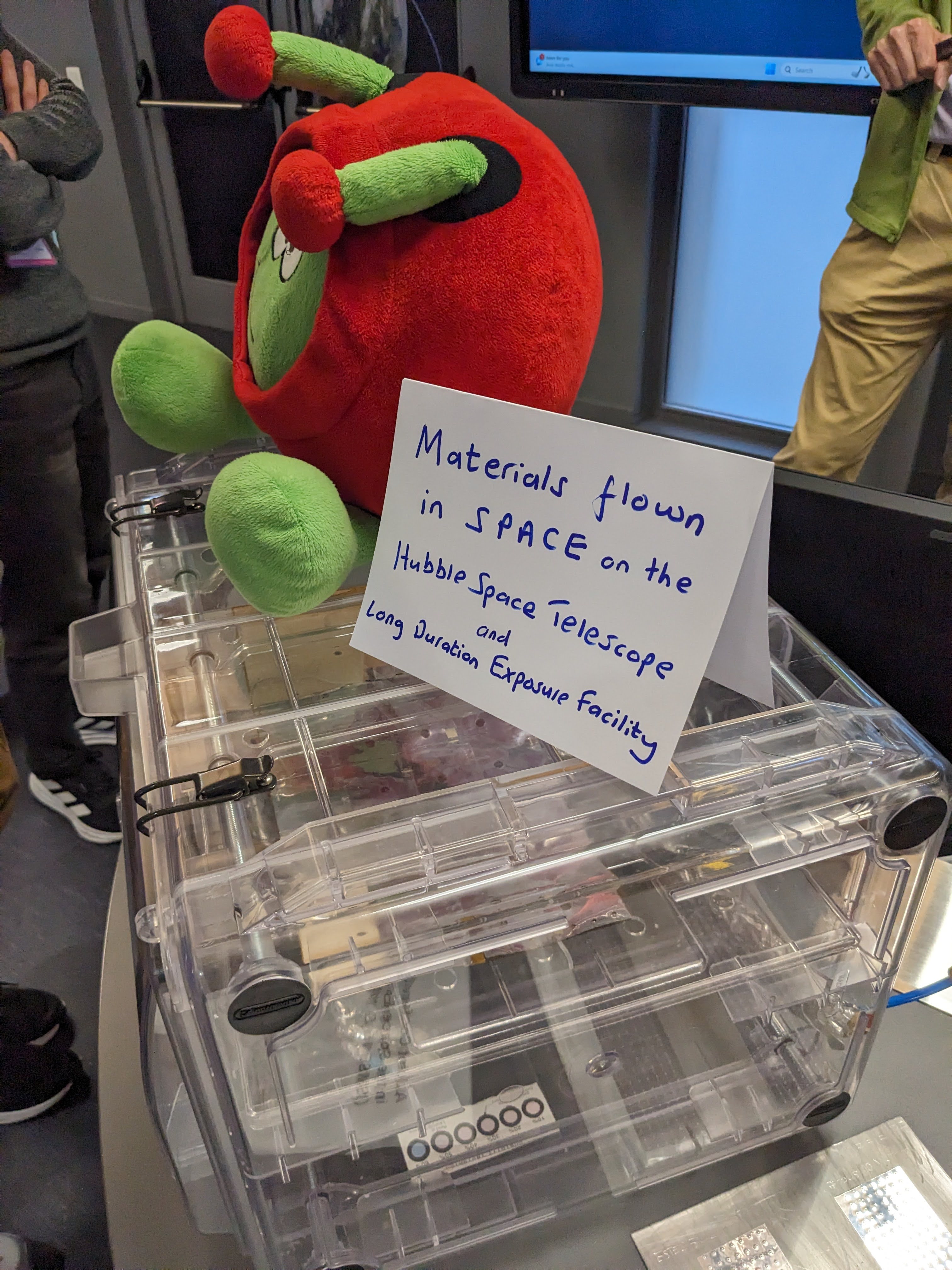
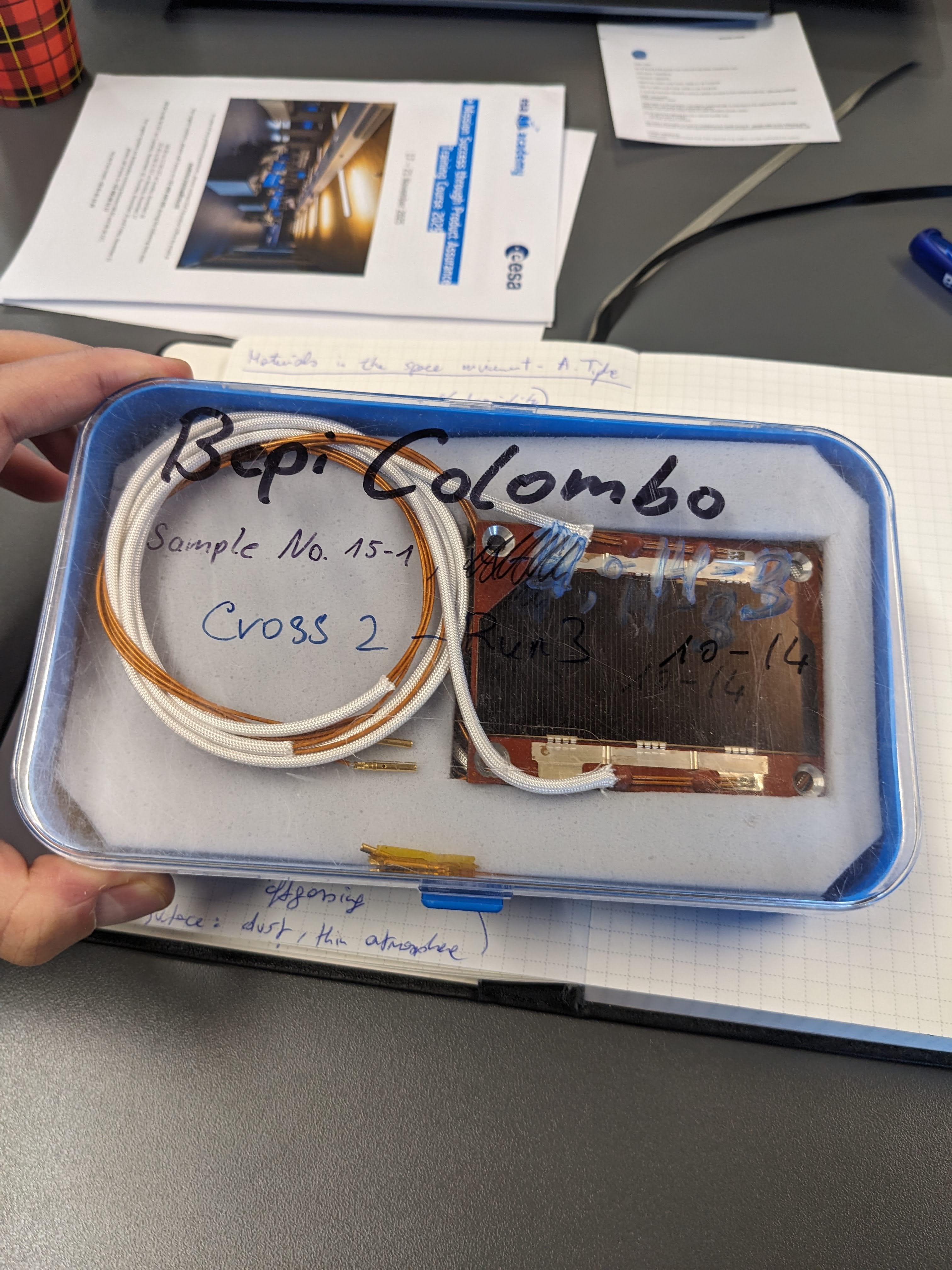
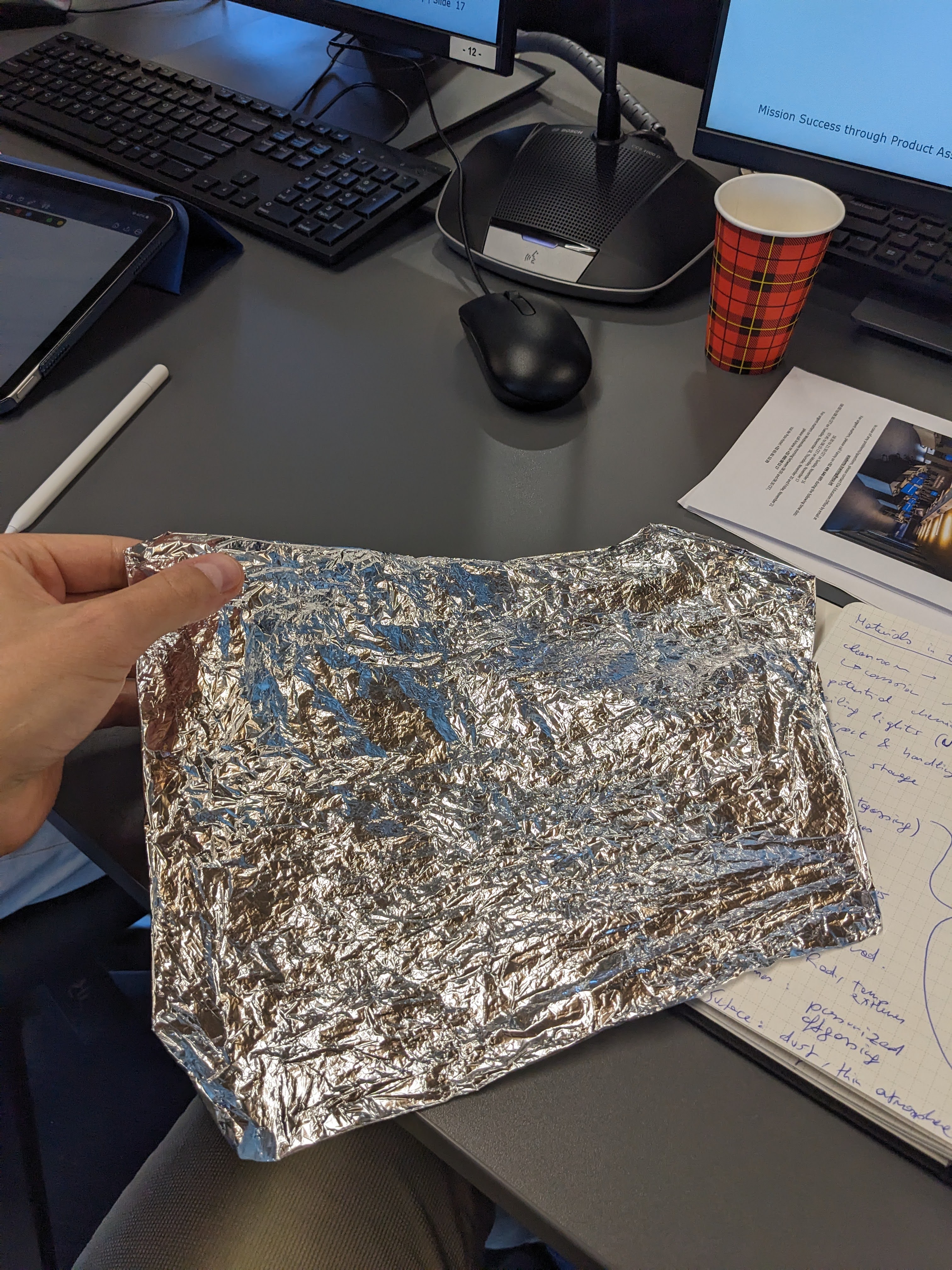
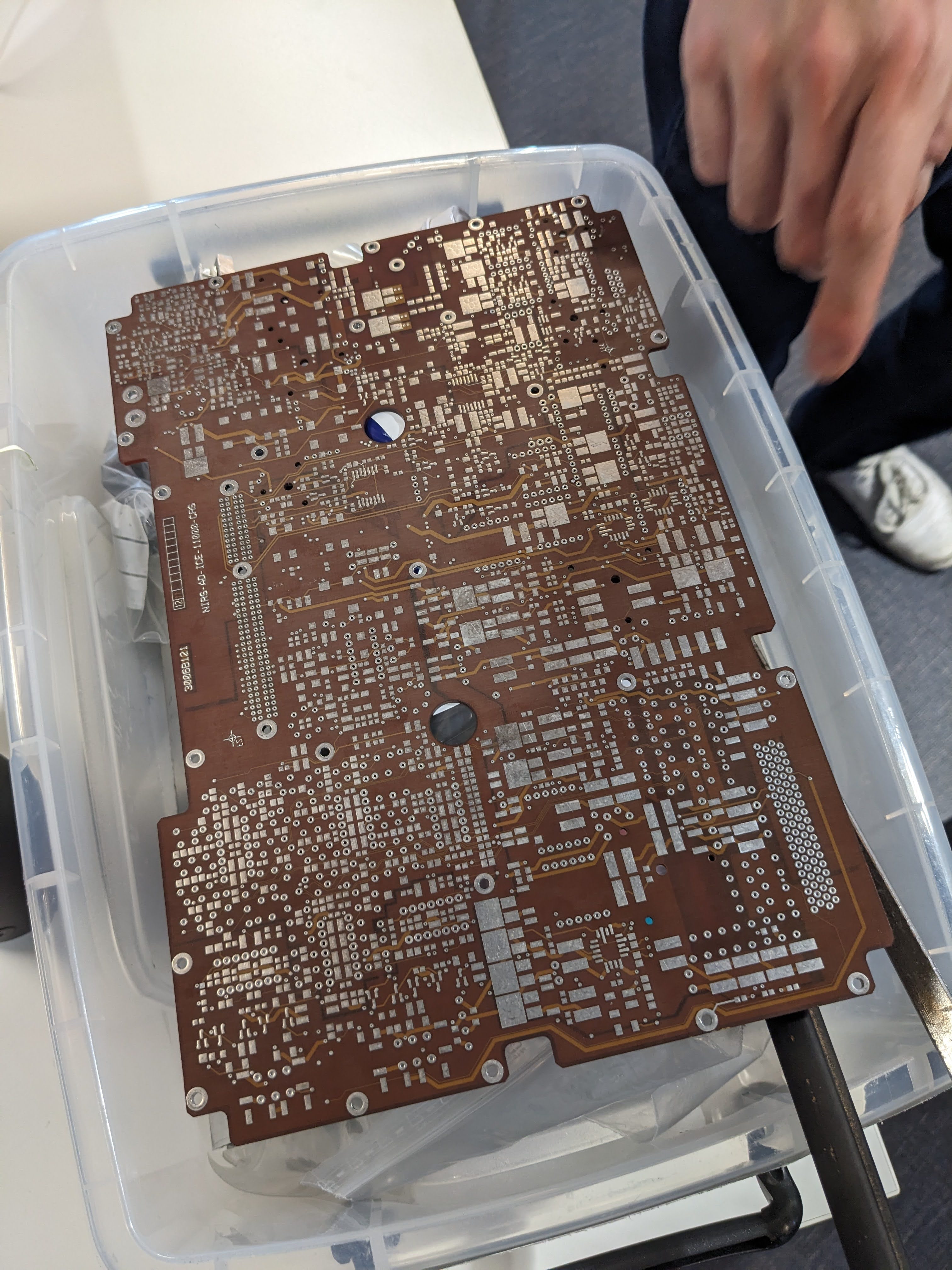
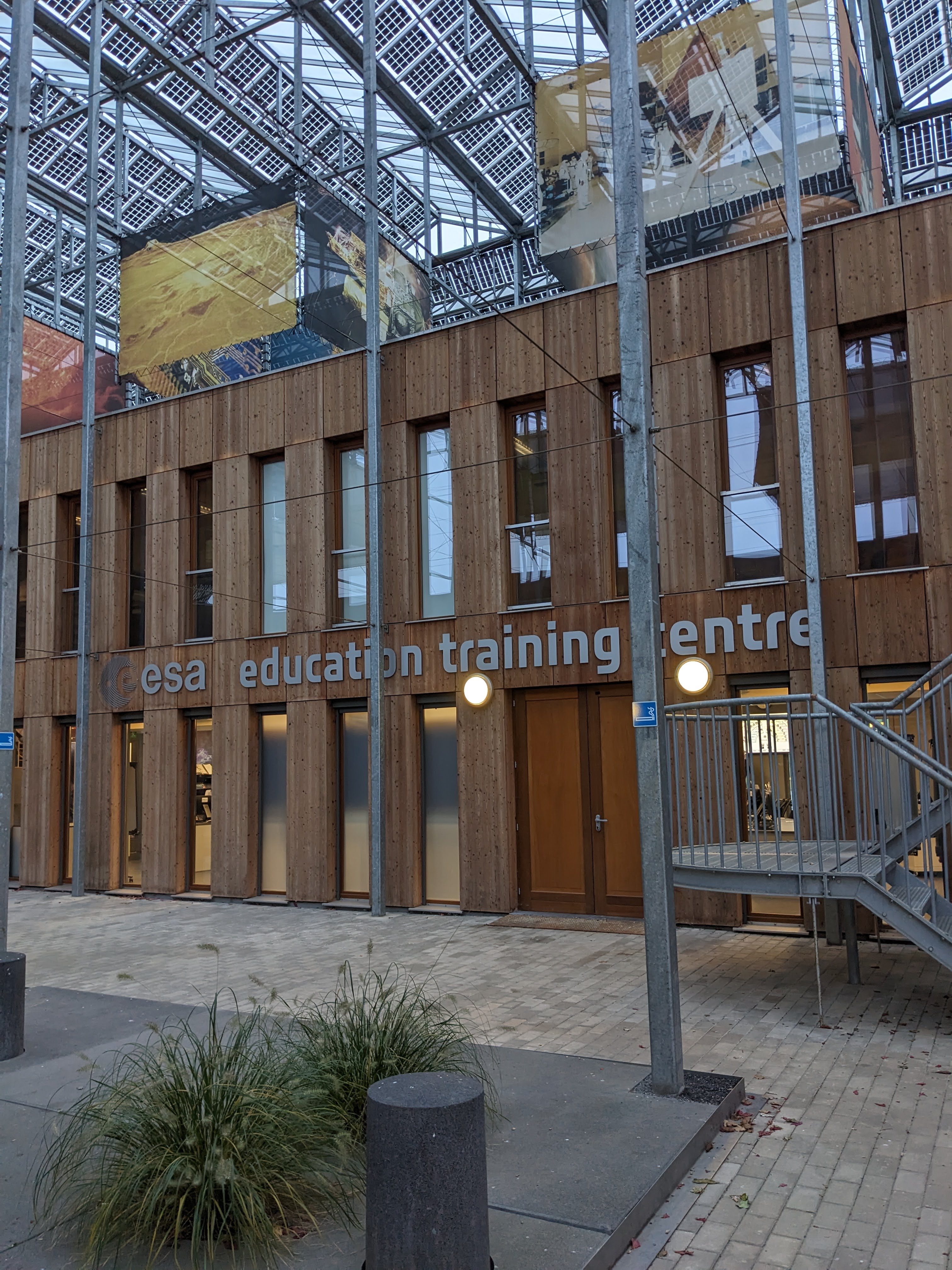
Some of the pictures taken by me, ESA and my fellow participants.
Conclusion
If you have any other questions about this experience, don’t hesitate to contact me!
Ciao!